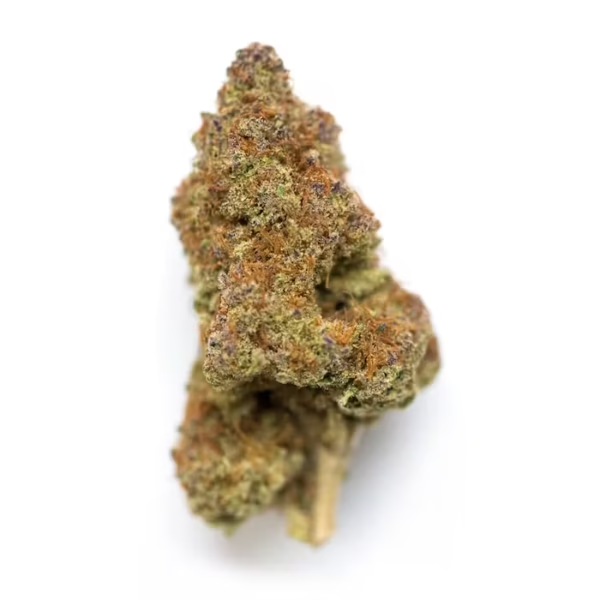

Cannabis THC in Europe
What Is THC?
Cannabis THC in Europe is a widely discussed topic as laws, medical research, and public awareness continue to evolve. THC, or tetrahydrocannabinol, is the primary psychoactive compound found in cannabis. It is responsible for many of the effects associated with cannabis consumption, including changes in mood, perception, and coordination.
Researchers have identified more than 100 naturally occurring cannabinoids in cannabis, but THC remains one of the most studied because of its effects on the brain and nervous system.
How THC Works
THC interacts with the body’s endocannabinoid system, which helps regulate mood, appetite, memory, sleep, and pain perception. Specifically, it primarily binds to CB1 receptors located in the brain. As a result, many users experience changes in perception, cognition, and coordination. However, the intensity of these effects varies depending on the individual, the THC concentration, and the method of consumption.
Potential Effects of THC
People may respond to THC differently. For example, some individuals report feelings of relaxation or an elevated mood. In addition, changes in sensory perception and an increase in appetite are commonly described. Meanwhile, others may notice temporary effects on attention, memory, or coordination. Overall, the experience depends on several personal and environmental factors.
Potential Risks
Like many psychoactive substances, THC may present certain risks. For instance, higher doses can increase the likelihood of anxiety or temporary confusion. Furthermore, THC may impair reaction time, making activities such as driving unsafe. Because individual responses vary, some people are more sensitive than others. Therefore, understanding these risks is important before making informed decisions.
Medical Research in Europe
Scientific interest in THC continues to grow across Europe. Currently, researchers are studying cannabinoids in carefully regulated clinical settings. Moreover, investigations focus on their potential role in managing chronic pain, multiple sclerosis–related symptoms, and chemotherapy-induced nausea. Although research is promising in some areas, further high-quality studies are still needed to establish effectiveness and safety.
Legal Status of THC in Europe
Cannabis laws differ across European countries. Consequently, the legal status of THC varies depending on national legislation. While some countries permit medical cannabis under strict regulations, others maintain tighter restrictions. Before travelling or possessing cannabis products, individuals should always consult official government guidance to ensure they comply with local laws.
THC and CBD: What’s the Difference?
THC and CBD are two of the best-known cannabinoids.
THC
- Produces psychoactive effects
- May impair coordination and judgment
- Studied for several therapeutic uses
CBD
- Does not typically produce intoxication
- Commonly researched for wellness and medical applications
- Available under different regulations depending on the country
Frequently Asked Questions
What does THC stand for?
THC stands for tetrahydrocannabinol, the primary psychoactive cannabinoid found in cannabis.
Is THC legal in Europe?
The legal status varies by country. Some European nations allow medical cannabis under regulated programs, while others have stricter laws.
Is THC the same as CBD?
No. THC is psychoactive, whereas CBD generally does not produce intoxicating effects.
Can THC affect driving?
Yes. THC can impair reaction time, attention, and coordination. Driving after consuming cannabis may be illegal and unsafe.
Is THC being researched for medical use?
Yes. Researchers continue to study THC and other cannabinoids for potential medical applications in carefully regulated clinical settings.
Conclusion
Cannabis THC continues to be an important topic in healthcare, research, and public policy. Overall, understanding its effects, potential risks, and legal status helps readers make informed decisions. Furthermore, following reliable scientific evidence and official guidance provides the most accurate information as regulations and research continue to evolve across Europe.
Showing 1–9 of 22 results