


Description
Buy Ketamine Powder Without Prescription
What Is Ketamine Powder?
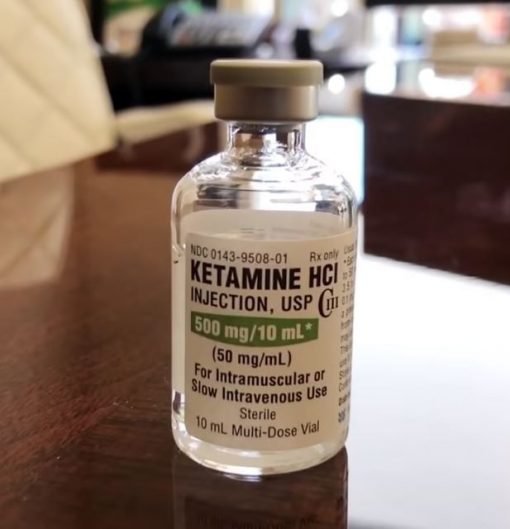
Ketamine powder refers to ketamine hydrochloride in a pharmaceutical form used in the manufacture of approved medicinal products. Ketamine is a prescription medicine classified as a dissociative anesthetic. Healthcare professionals primarily use ketamine in hospitals and specialized clinical settings to induce and maintain anesthesia for surgical and diagnostic procedures.
Additionally, researchers continue to study ketamine for other therapeutic applications. However, any approved or investigational use must take place under qualified medical supervision and in accordance with national regulations and clinical guidelines.
Where can you buy ketamine powder online?
You can buy ketamine powder through specialized online platforms such as Zen Bud These suppliers guarantee high purity standards, discreet delivery and secure payment methods. Not only can you order ketamine powder there, but you can also get comprehensive information on how to use it safely.
How Does Ketamine Work?
Ketamine acts by blocking N-methyl-D-aspartate (NMDA) receptors in the central nervous system. Consequently, it alters pain signaling and perception, producing anesthesia and analgesia. Unlike many other anesthetic medicines, ketamine often preserves protective airway reflexes and supports cardiovascular stability in appropriate patients, although careful monitoring remains essential.
Approved Medical Uses
Healthcare professionals may prescribe ketamine for several evidence-based medical purposes. These include:
- Induction of general anesthesia
- Maintenance of anesthesia
- Procedural sedation in selected clinical settings
- Pain management in carefully monitored patients
- Emergency medicine in specific circumstances
- Veterinary anesthesia under veterinary supervision
Furthermore, some countries have approved ketamine-derived therapies for certain psychiatric conditions under strict regulatory oversight.
Administration
Only qualified healthcare professionals should administer ketamine in medical environments equipped for patient monitoring and emergency care.
Administration may include:
- Intravenous (IV) injection
- Intramuscular (IM) injection
The appropriate dosage and route depend on the patient’s medical condition, age, weight, and the procedure being performed.
Possible Side Effects
Like all prescription medicines, ketamine may cause side effects. Nevertheless, not every patient experiences adverse reactions.
Common side effects include:
- Drowsiness
- Dizziness
- Nausea
- Vomiting
- Blurred vision
- Elevated blood pressure
- Increased heart rate
Less common but potentially serious effects include:
- Hallucinations
- Confusion
- Agitation
- Difficulty breathing
- Allergic reactions
Therefore, healthcare professionals closely monitor patients during and after administration.
Precautions
Before treatment, clinicians review several factors to help determine whether ketamine is appropriate.
Important considerations include:
- Cardiovascular disease
- Liver disease
- Previous reactions to anesthetics
- Psychiatric history
- Pregnancy or breastfeeding
- Current medications
- Allergies
Moreover, patients should always provide a complete medical history before receiving ketamine.
Drug Interactions
Ketamine may interact with several medicines. Consequently, patients should inform their healthcare provider about all prescription medicines, over-the-counter products, vitamins, and herbal supplements they use.
Potential interactions may involve:
- Benzodiazepines
- Opioid analgesics
- Alcohol
- Sedatives
- General anesthetics
- Other central nervous system depressants
Patient Monitoring
Healthcare professionals routinely monitor patients throughout treatment.
Monitoring may include:
- Blood pressure
- Heart rate
- Oxygen saturation
- Respiratory status
- Level of consciousness
Continuous monitoring supports patient safety and allows clinicians to respond promptly to any complications.
Storage Information
Healthcare facilities should store ketamine products according to the manufacturer’s instructions and applicable regulatory requirements.
General recommendations include:
- Store at the temperature specified on the product label.
- Protect from excessive heat and direct light.
- Keep the medicine in its original packaging.
- Do not use after the expiry date.
- Dispose of unused medicine according to local pharmaceutical waste regulations.
Frequently Asked Questions
What is ketamine powder used for?
Ketamine is primarily used by healthcare professionals as a dissociative anesthetic during surgical procedures and other medical interventions.
Is ketamine a prescription medicine?
Yes. Ketamine is a prescription-only medicine in many countries and should only be used under medical supervision.
How does ketamine work?
Ketamine blocks NMDA receptors in the brain, producing anesthetic and analgesic effects while altering pain perception.
Can ketamine cause side effects?
Yes. Side effects may include dizziness, nausea, increased blood pressure, hallucinations, and confusion. Medical professionals monitor patients to reduce risks.
Who should administer ketamine?
Only qualified healthcare professionals should administer ketamine in appropriate medical settings.
Key Facts
| Feature | Information |
|---|---|
| Generic Name | Ketamine Hydrochloride |
| Drug Class | Dissociative Anesthetic |
| Prescription Status | Prescription Only |
| Common Routes | Intravenous (IV), Intramuscular (IM) |
| Primary Uses | Anesthesia, Procedural Sedation, Selected Pain Management |
| Monitoring | Required During Administration |

Reviews
There are no reviews yet.